
Your Goals Aren’t Failing. Your Nervous System Needs Regulation.
January 4, 2026
A modern wellness community designed to help you reset, connect, and thrive – right here in Mount Juliet, Tennessee.
We combine evidence-backed wellness offerings with soulfully designed spaces and meaningful connection for the community.
Stop by... we’d love to show you around!
about vitalis
Welcome to the Blog

January is full of good intentions.
New workouts.
Stricter routines.
Early mornings and packed calendars.
And yet, for so many people, that motivation starts to slip far sooner than expected.
Not because they don’t want it badly enough.
Not because they lack discipline.
But because their nervous system is already exhausted.
Discipline Isn’t the Problem We Think It Is
We’re conditioned to believe that consistency comes from willpower. That if we just try harder, wake up earlier, or push through discomfort, everything will eventually click.
But here’s what rarely gets talked about.
Your body doesn’t respond to pressure the same way your mind does.
When your nervous system is constantly overstimulated, stressed, and depleted, even the best routines start to feel heavy. Motivation drops. Progress stalls. Recovery slows down. Sleep gets lighter. Energy feels unpredictable.
And suddenly, the plan that looked so good on January 1st feels impossible by January 20th.
Most People Are Training Harder in January. Very Few Are Recovering Smarter.
Exercise, movement, and structure are powerful tools. But without recovery, they become stressors instead of support.
When your nervous system stays stuck in a heightened “go” state, your body struggles to shift into repair mode. That affects everything from muscle recovery and fat loss to mood, focus, and resilience.
This is why so many people experience:
- Plateaus despite consistent workouts
- Increased soreness or lingering fatigue
- Trouble sleeping even when they’re exhausted
- Irritability or mental fog
- A sense of burnout that doesn’t match their effort
These aren’t signs of laziness. They’re signs your nervous system needs regulation.
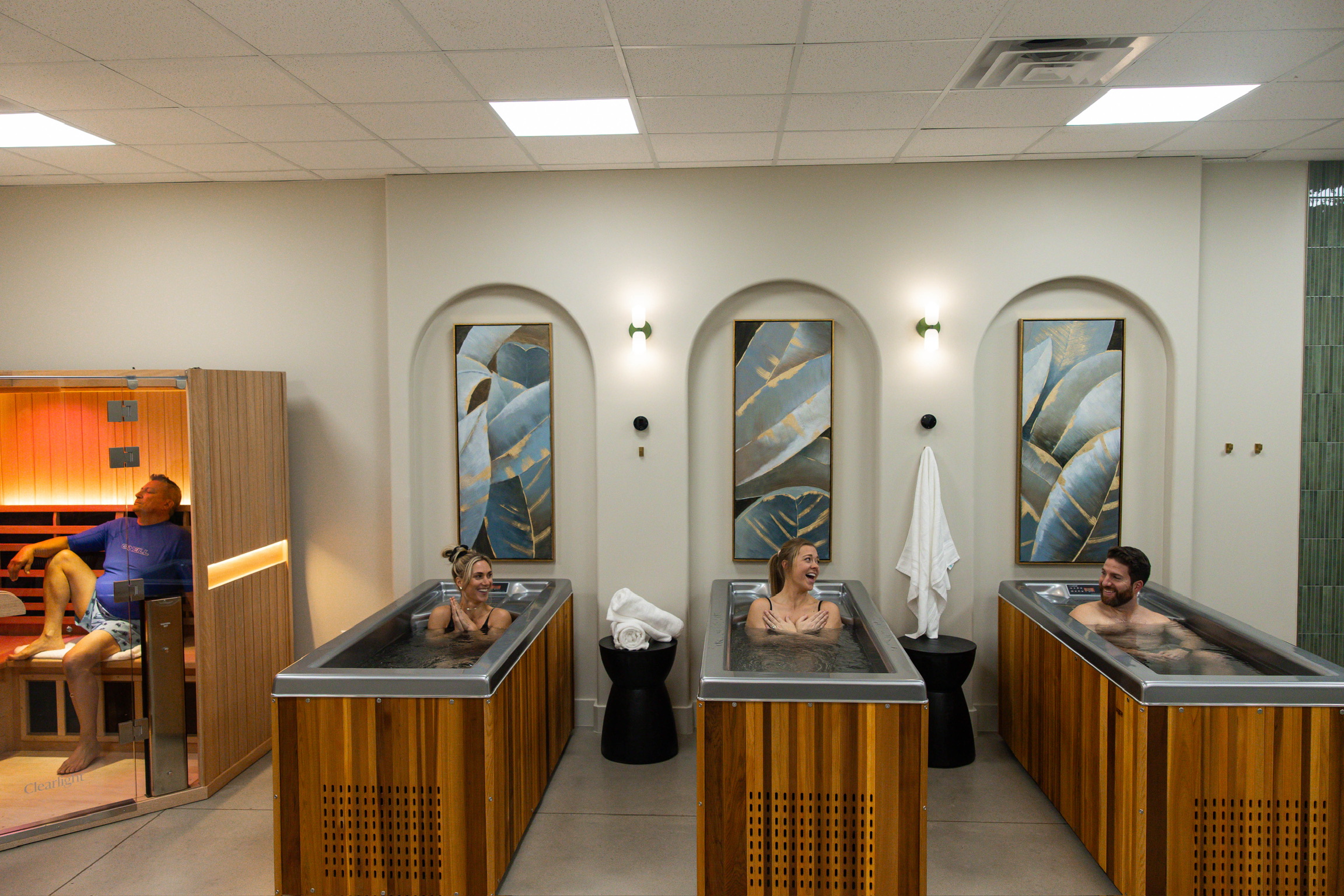
One of the most effective ways to support nervous system regulation is through contrast therapy, the intentional practice of alternating heat and cold. The shift between warm and cold temperatures gently challenges your nervous system, then teaches it how to recover and recalibrate.
Heat helps the body relax, release tension, and improve circulation. Cold activates the nervous system, increases alertness, and builds resilience. When done intentionally and consistently, this contrast helps train your nervous system to move out of chronic stress and back into balance more efficiently.
Over time, people often notice:
- Improved recovery between workouts
- Better sleep quality
- Reduced inflammation and soreness
- Increased stress tolerance
- A greater sense of calm after sessions
Contrast therapy isn’t about pushing your limits. It’s about giving your nervous system a structured way to reset, so your body can actually absorb the benefits of everything else you’re doing.
You can learn more about how contrast therapy works and what a session looks like at Vitalis here.
What Nervous System Regulation Actually Means
Nervous system regulation isn’t about doing less. It’s about creating balance.
It’s the ability for your body to move smoothly between effort and rest, stimulation and recovery.
Regulation helps your body:
- Shift out of chronic stress
- Improve recovery between workouts
- Support hormonal balance
- Increase consistency over time
- Make wellness feel sustainable instead of draining
This is where intentional recovery practices matter. Not as an afterthought, but as part of your routine.
Recovery Is Not Quitting. It’s How You Keep Going.
There’s a difference between collapsing on the couch and truly supporting your body’s recovery.
Intentional recovery creates a signal of safety for your nervous system. It tells your body it’s okay to repair, reset, and restore.
This is why recovery-focused practices are becoming essential for people who want long-term results, not just short bursts of motivation.
When recovery becomes routine, discipline becomes easier. Consistency feels natural. Progress stops feeling like a fight.
The Shift That Changes Everything
The most sustainable wellness routines don’t rely on pushing harder every week.
They’re built on listening, regulating, and supporting the body through every season of effort.
If January feels heavy already, that’s not failure. It’s feedback.
And often, the most powerful thing you can do for your goals is give your nervous system the support it’s been asking for.
If you want to support your nervous system with consistent recovery and wellness, explore our memberships here.

Saturday
8am - 7pm
contact us
navigation
12pm - 6pm
Sunday
6am - 7pm
Monday - Friday

